
Meth Detox & Addiction Treatment in Carlsbad, California
Private medical meth detox and residential treatment, with up to 90 days of care
A Private Meth Detox Program in California
Methamphetamine addiction can affect your health, mood, relationships, and work, and the crash after stopping is often what drives people back to using. Cove Detox is a private meth detox and inpatient addiction treatment center in Carlsbad, California. We provide 24/7 nursing care, ongoing assessment by a Nurse Practitioner, and oversight from a board-certified Addiction Medicine physician, then move you directly into residential therapy for up to 90 days.
We keep our census to 12 clients so every person receives individual attention. We are licensed by the California Department of Health Care Services (DHCS License #370231AP) and accredited by The Joint Commission.
When meth use or withdrawal is an emergency
Call 911 for chest pain, trouble breathing, a very high body temperature, seizures, severe confusion, or if someone is violent or having psychosis and is a danger to themselves or others. If you or someone you love is thinking about suicide, call or text 988. The street drug supply is increasingly contaminated with fentanyl, so stimulant users face overdose risk even when they don’t use opioids. Naloxone (Narcan) can reverse an opioid overdose, so keep it on hand.
What to Expect in Meth Detox
Meth withdrawal is usually not life-threatening, but it can be hard to get through alone. People often feel extreme exhaustion, low mood, anxiety, irritability, strong cravings, and disrupted sleep. For some, the depression is severe, and suicide risk can rise during the crash, which is one reason medical and psychiatric monitoring matters.
At Cove Detox, our nurses monitor vital signs, sleep, mood, and any signs of paranoia or psychosis around the clock. Our physician and Nurse Practitioner adjust care to each person, and comfort medications may be used for symptoms such as insomnia, anxiety, or agitation. There is currently no FDA-approved medication specifically for methamphetamine use disorder, so treatment centers on behavioral therapy, symptom care, and relapse prevention.
How Long Does Meth Withdrawal Last?
- The first few days (the “crash”): heavy fatigue, sleeping a lot, increased appetite, and low mood.
- Roughly the first one to two weeks: anxiety, irritability, cravings, and poor concentration are common.
- Weeks to months: mood, motivation, and sleep often improve gradually, though cravings and low mood can linger.
Timelines vary with how long and how heavily someone used.
Residential Meth Rehab After Detox
After detox, you continue in the same program without changing facilities. Residential treatment can last up to 90 days. Behavioral therapies are the foundation of stimulant treatment, and our program includes Cognitive Behavioral Therapy (CBT), motivational interviewing, group therapy, family involvement, and relapse prevention planning. We also assess and treat co-occurring conditions such as anxiety, depression, and trauma through our dual diagnosis program.
Why Meth Addiction Treatment Matters
Methamphetamine is one of the most addictive stimulant drugs available today. It rapidly increases dopamine levels in the brain, creating intense feelings of pleasure and energy. Over time, repeated meth use can change how the brain functions, making it increasingly difficult to stop without treatment.
According to the National Institute on Drug Abuse (NIDA):
"Methamphetamine is a powerful, highly addictive stimulant that affects the central nervous system."Meth addiction may contribute to:
- Severe anxiety and depression
- Mood instability
- Sleep disturbances
- Psychosis and paranoia
- Cardiovascular complications
- Memory and concentration problems
- Relationship conflict
- Employment difficulties
- Legal and financial consequences
Professional treatment helps individuals address both the addiction itself and the underlying factors that contribute to continued substance use.
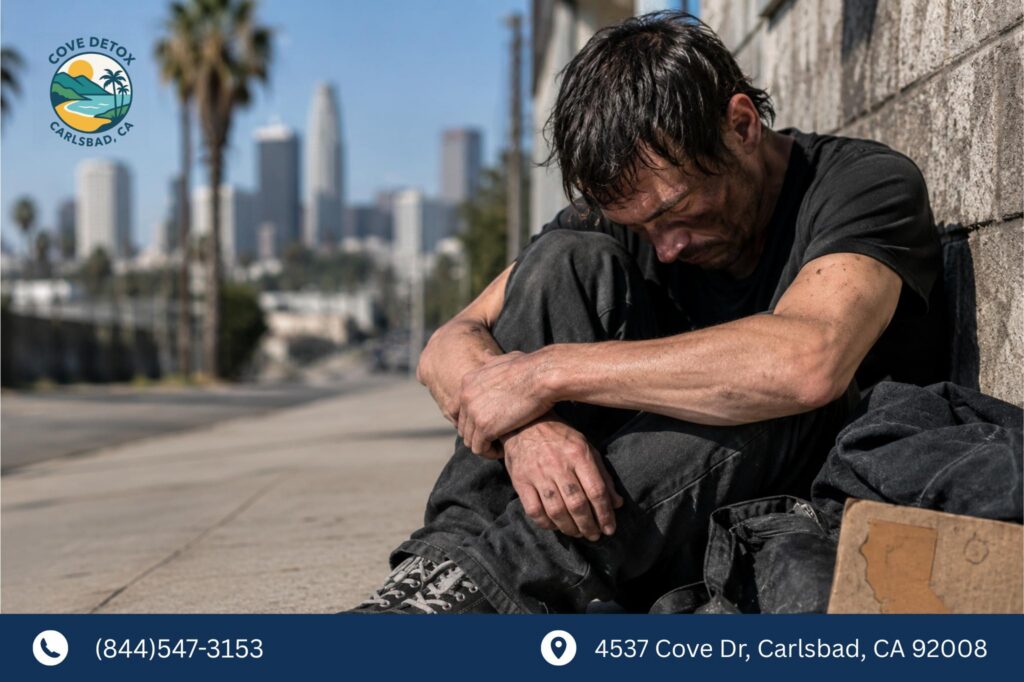
Meth Addiction in California: Understanding the Need for Treatment
Methamphetamine remains a major public health concern throughout California, which is why early intervention and access to professional meth addiction treatment are so important.
Meth Treatment in Carlsbad and Across California
Our Carlsbad facility serves North County San Diego, including Oceanside, Vista, San Marcos, Encinitas, and Escondido, as well as clients from San Diego, Orange County, Los Angeles, the Inland Empire, Sacramento, and the Bay Area.
24/7 nursing supervision
to monitor vitals, symptoms, and comfort levels

Individualized medical protocols
based on health history, substance use patterns, and co-occurring conditions
Ongoing assessment
by a Nurse Practitioner and oversight from an Addiction Medicine physician

Supportive Care
including hydration, nutrition, and medication-assisted treatment (MAT) when appropriate

Emotional support and stabilization
to help clients manage anxiety, fear, and other early-recovery emotions

Safe Medication Management
where a carefully monitored administration of detox medications ensure comfort, safety, and reduce risk of complications
Signs and Symptoms of Meth Addiction
Recognizing the signs of meth addiction is often the first step toward recovery.
Common warning signs include:
Physical Symptoms
- Rapid weight loss
- Dilated pupils
- Poor sleep or insomnia
- Increased heart rate
- Elevated blood pressure
- Dental deterioration (“meth mouth”)
- Skin sores or scratching
Behavioral Symptoms
- Secretive behavior
- Increased risk-taking
- Hyperactivity
- Social withdrawal
- Financial difficulties
- Neglecting responsibilities
Psychological Symptoms
- Anxiety
- Depression
- Irritability
- Aggression
- Paranoia
- Hallucinations
- Mood swings
If these symptoms are affecting your life or the life of a loved one, professional treatment may be necessary.
Medically Supervised Detox
Detoxing from meth without medical support can be physically and emotionally challenging, as withdrawal symptoms may include severe fatigue, depression, anxiety, agitation, and intense cravings. While meth withdrawal is not typically life threatening, the severity of symptoms can increase the risk of relapse or emotional distress without proper care. At Cove Detox, our clinical team provides continuous monitoring, structured support, and therapeutic care to help patients stabilize safely and as comfortably as possible during the early stages of recovery.
Evidence-Based Individual Therapy
Our inpatient meth addiction treatment program focuses on identifying and addressing the underlying factors that contribute to substance use, including trauma, emotional distress, or co occurring mental health conditions. Through individualized counseling, patients learn healthier coping strategies, strengthen emotional resilience, and develop practical tools to manage stress and life challenges without relying on substances.
Group Therapy and Peer Support
Addiction often deepens in isolation, which is why connection plays an important role in recovery from meth addiction. Our group therapy sessions create a supportive space where patients can share experiences, practice healthy communication, and build a sense of community. Led by experienced clinicians, these sessions help individuals develop accountability, strengthen relapse prevention skills, and recognize that they are not alone in their recovery journey.
Family Healing and Involvement
Meth addiction affects more than just the individual, it can deeply impact loved ones as well. At Cove Detox, we involve families through education, therapeutic support, and guided communication to help rebuild trust, strengthen relationships, and encourage healthier dynamics. When families are included in the healing process, recovery outcomes are often stronger and more sustainable.
Aftercare and Ongoing Support
Recovery from meth addiction does not end at discharge. At Cove Detox, we create personalized aftercare plans that connect patients with ongoing support such as outpatient treatment, peer support groups, sober living options, and continued therapeutic resources. Our goal is to help each individual build a strong, long term foundation for sobriety, stability, and overall wellness.
What Happens During Meth Addiction Treatment?
Recovery is not simply about stopping drug use. Effective treatment addresses the physical, emotional, behavioral, and social aspects of addiction.
At Cove Detox, treatment begins with a comprehensive clinical assessment that helps determine the most appropriate level of care.
This evaluation may include:
- Substance use history
- Medical history
- Mental health screening
- Family history
- Recovery goals
- Risk factors for relapse
This information allows our team to create an individualized treatment plan tailored to each person’s unique needs.
Physical Symptoms
Meth use places significant strain on the body and can lead to noticeable physical changes over time.
• Extreme weight loss or loss of appetite
• Dental problems often referred to as meth mouth
• Skin sores or infections from picking or scratching
• Dilated pupils
• Rapid heart rate or irregular heartbeat
• Excessive sweating
• Insomnia or prolonged wakefulness
• Tremors or uncontrolled movements
• Fatigue or crashes after use
• Poor overall physical appearance
Behavioral Symptoms
As meth use progresses, behavior often becomes increasingly focused on obtaining and using the drug.
• Compulsive drug seeking behavior
• Using meth more frequently or in larger amounts
• Neglecting responsibilities at work, school, or home
• Withdrawing from family or social activities
• Risk taking or impulsive behavior
• Staying awake for extended periods
• Lying or hiding substance use
• Continuing use despite negative consequences
Emotional and Psychological Symptoms
Meth addiction can dramatically affect mood, emotional regulation, and mental health.
• Intense anxiety or paranoia
• Agitation or irritability
• Mood swings
• Depression during periods without use
• Hallucinations or delusional thinking
• Difficulty concentrating
• Emotional numbness
• Heightened stress or restlessness
Withdrawal Symptoms
Meth withdrawal can be physically and emotionally intense as the brain and body adjust to functioning without the drug. Symptoms often emerge shortly after stopping use and can vary in severity depending on the length and intensity of meth use. While meth withdrawal is not usually life threatening, the discomfort, emotional distress, and strong cravings involved can make the process difficult without professional support.
Common meth withdrawal symptoms include
• Extreme fatigue or exhaustion
• Depression or low mood
• Anxiety or restlessness
• Intense drug cravings
• Irritability or agitation
• Difficulty concentrating
• Sleep disturbances including insomnia or excessive sleeping
• Increased appetite
• Slowed movement or thinking
• Mood swings
• Feelings of hopelessness or lack of motivation
• Vivid or unpleasant dreams
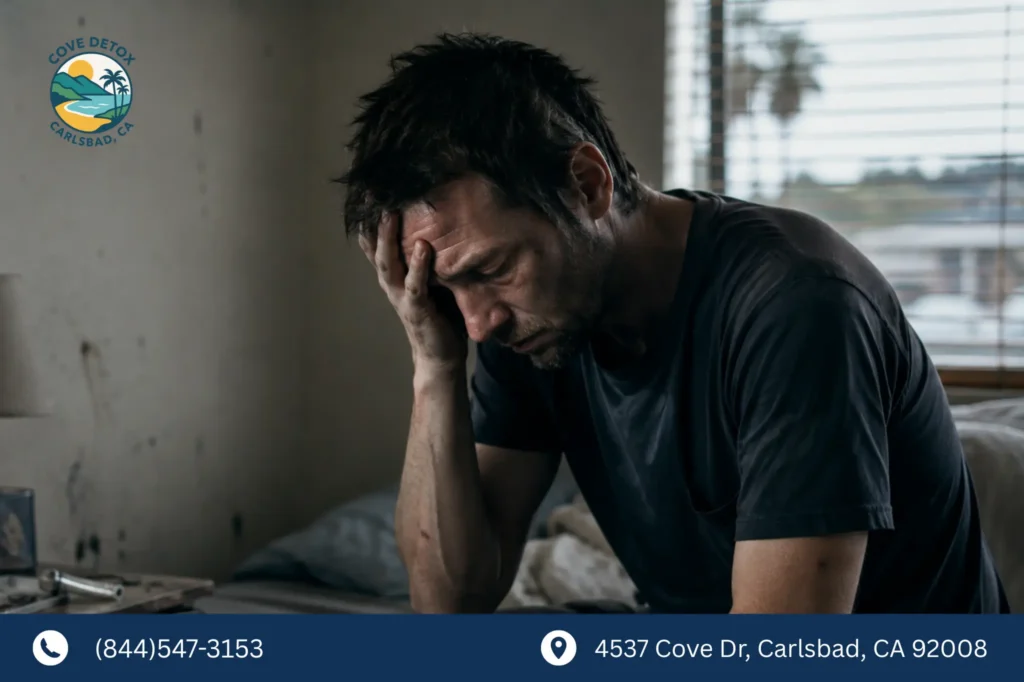
Understanding Meth Withdrawal
Meth withdrawal is not typically life-threatening, but it can be emotionally and psychologically challenging.
Common meth withdrawal symptoms include:
- Fatigue
- Anxiety
- Depression
- Intense drug cravings
- Increased appetite
- Sleep disturbances
- Difficulty concentrating
- Low motivation
Many individuals experience a “crash” shortly after stopping meth use, followed by emotional symptoms that may last for weeks.
Because cravings and emotional distress can increase relapse risk, professional support during withdrawal and early recovery can be beneficial.
The Dangers of Meth Abuse
Long term meth abuse can have profound and lasting effects on both mental and physical health. Continued meth use may alter brain chemistry and structure, impair cognitive functioning, and reduce motor coordination over time. Individuals may also experience difficulties with learning, memory, and overall neurological health as the effects of the drug accumulate.
Methamphetamine, commonly referred to as meth or crystal meth, is a powerful central nervous system stimulant with a high potential for addiction. Repeated misuse significantly increases health risks and can lead to a chronic, relapsing condition characterized by compulsive drug use and loss of control.
Short-Term Dangers Related with Meth Addiction
Even small amounts of meth can place extreme stress on the body, forcing it into a state of overdrive. The drug sharply elevates heart rate, blood pressure, and body temperature while suppressing appetite and sleep, pushing the body beyond safe limits. These effects can disrupt heart rhythm, strain vital organs, and significantly increase the risk of cardiac events and other medical emergencies, even after short term use.
Short Term Dangers
• Extreme strain on the heart that can lead to irregular heartbeat or cardiac arrest
• Dangerous increases in blood pressure and body temperature
• Severe dehydration and overheating
• Heightened risk of stroke or heart attack
• Intense anxiety, panic, or agitation
• Paranoia or hallucinations
• Impaired judgment leading to risky or violent behavior
• Sleep deprivation that can last for days
• Sudden crashes marked by exhaustion and depression
• Increased risk of overdose even with short term use
Long-Term Dangers Related with Meth Addiction
Long term meth use can have devastating and lasting consequences that extend far beyond the immediate effects of the drug. Continued exposure to meth can permanently alter brain chemistry, impair cognitive function, and contribute to severe mental health conditions such as chronic anxiety, depression, and psychosis. Over time, meth addiction also places extreme strain on the cardiovascular system and vital organs, increasing the risk of heart disease, stroke, and organ damage. These physical and psychological effects often lead to significant disruptions in personal relationships, employment, and overall quality of life, making professional treatment essential for interrupting the cycle of addiction and supporting long term recovery.
Long Term Dangers
• Permanent changes to brain structure and function
• Long lasting memory loss and impaired learning ability
• Severe anxiety, paranoia, or psychosis that may persist after stopping use
• Chronic depression and increased risk of suicide
• Significant cardiovascular damage including heart disease and stroke
• Extreme weight loss and malnutrition
• Severe dental deterioration often referred to as meth mouth
• Skin infections and scarring from chronic picking
• Weakened immune system and increased susceptibility to illness
• Liver and kidney damage
• Increased risk of infectious diseases
• Social isolation, relationship breakdown, and loss of employment
• High risk of relapse due to lasting changes in brain chemistry
How Can You Pay For Treatment?
At Cove Detox, we believe financial concerns should never stand in the way of receiving quality addiction treatment. Our California based recovery programs work with most PPO health insurance plans to help make care more accessible for individuals seeking support.
Insurance for Meth Detox and Rehab
Meth detox and residential treatment may be covered by your health insurance, depending on your plan. Our admissions team will verify your benefits, explain what’s covered, and review any copays, deductibles, or out-of-pocket costs before you commit. Verify your insurance online or call (844) 547-3153.
Common Signs Of a Loved One Struggling With Meth Addiction
Signs of meth addiction may include changes in behavior, mood, sleep, and daily routines. A loved one may experience extreme alertness followed by exhaustion, increased secrecy, irritability, anxiety, paranoia, or significant weight loss. They may neglect responsibilities, withdraw from relationships, engage in risky behaviors, or continue using meth despite negative consequences.
Recognizing these patterns early can help you approach your loved one with empathy and encourage professional support. Meth addiction is treatable, and recovery is possible with appropriate care.

Evidence-Based Therapies for Meth Addiction
Research consistently shows that behavioral therapies are among the most effective treatments for stimulant use disorders.
Cognitive Behavioral Therapy (CBT)
CBT helps individuals identify unhealthy thought patterns and develop healthier coping strategies.
Motivational Interviewing (MI)
This approach helps individuals strengthen motivation and commitment to recovery.
Contingency Management
NIDA recognizes contingency management as one of the most effective interventions for stimulant use disorders.
This approach uses positive reinforcement to encourage healthy behaviors and treatment participation.
Group Therapy
Group counseling allows individuals to:
- Learn from peers
- Build accountability
- Improve communication skills
- Strengthen recovery networks
Family Therapy
Addiction affects entire families.
Family involvement may help:
- Improve communication
- Rebuild trust
- Create healthy boundaries
- Support long-term recovery
Inpatient Meth Rehab in California
For many individuals, inpatient treatment provides the structure and support needed to begin recovery successfully.
Inpatient meth rehab offers:
24/7 Clinical Support
Patients receive ongoing supervision and support in a safe environment focused on recovery.
Reduced Exposure to Triggers
Being removed from environments associated with drug use can help individuals focus on healing.
Structured Daily Programming
Treatment schedules provide consistency, accountability, and opportunities for growth.
Intensive Therapeutic Support
Individuals participate in evidence-based therapies that address addiction and co-occurring conditions.
Peer Connection
Group counseling and shared experiences help reduce isolation while building recovery support networks.
Why Choose Cove Detox?
- Low patient-to-staff ratio for individualized attention.
- A treatment philosophy centered on dignity, respect, and compassion.
- A proven combination of clinical expertise and holistic care.
- A serene, beautiful environment that fosters healing.
At Cove Detox, we don’t just treat addiction, we help people rediscover who they are and create a life they can be proud of.
- Free Consultation
- Dual Diagnosis Treatment
- Private Location with a Ocean Front View
- 24/7 Full Support
Our Services
Our Services
Take The First Step Towards a New Life






















FAQs
Do you offer a meth detox program in California?
Yes. Cove Detox is a private meth detox and inpatient treatment center in Carlsbad, California. We provide medically supervised detox followed by residential treatment of up to 90 days.
Is meth withdrawal dangerous?
Meth withdrawal is rarely life-threatening, but it can cause severe depression, anxiety, exhaustion, and cravings, and some people experience paranoia or psychosis. Medical monitoring helps keep you safe, and relapse risk is highest during the crash.
How long does meth detox take?
The acute phase usually lasts about one to two weeks, though mood, sleep, and cravings can take weeks or months to improve. We’ll give you an estimate after assessment.
Are there medications for meth addiction?
No medication is currently FDA-approved specifically for methamphetamine use disorder. Treatment relies on behavioral therapy, and medications may be used to ease symptoms such as insomnia, anxiety, or agitation.
How long is residential treatment for meth?
Residential treatment at Cove Detox can last up to 90 days, depending on your progress and needs.
Can you treat meth addiction and mental health conditions together?
Yes. Our dual diagnosis program treats co-occurring anxiety, depression, trauma, and other conditions alongside addiction.
Do I have to detox before rehab?
In most cases, we recommend it. Starting with a medical assessment and detox gives you a safer, more stable start before therapy.